Diabetic retinopathy
Diabetes can damage retinal blood vessels, causing leakage, swelling or abnormal vessel growth. Early disease may have no noticeable symptoms, so regular dilated examinations matter.
Get specialist assessment and coordinated care for diabetic retinopathy, retinal tears and detachment, macular conditions, uveitis and related eye concerns.
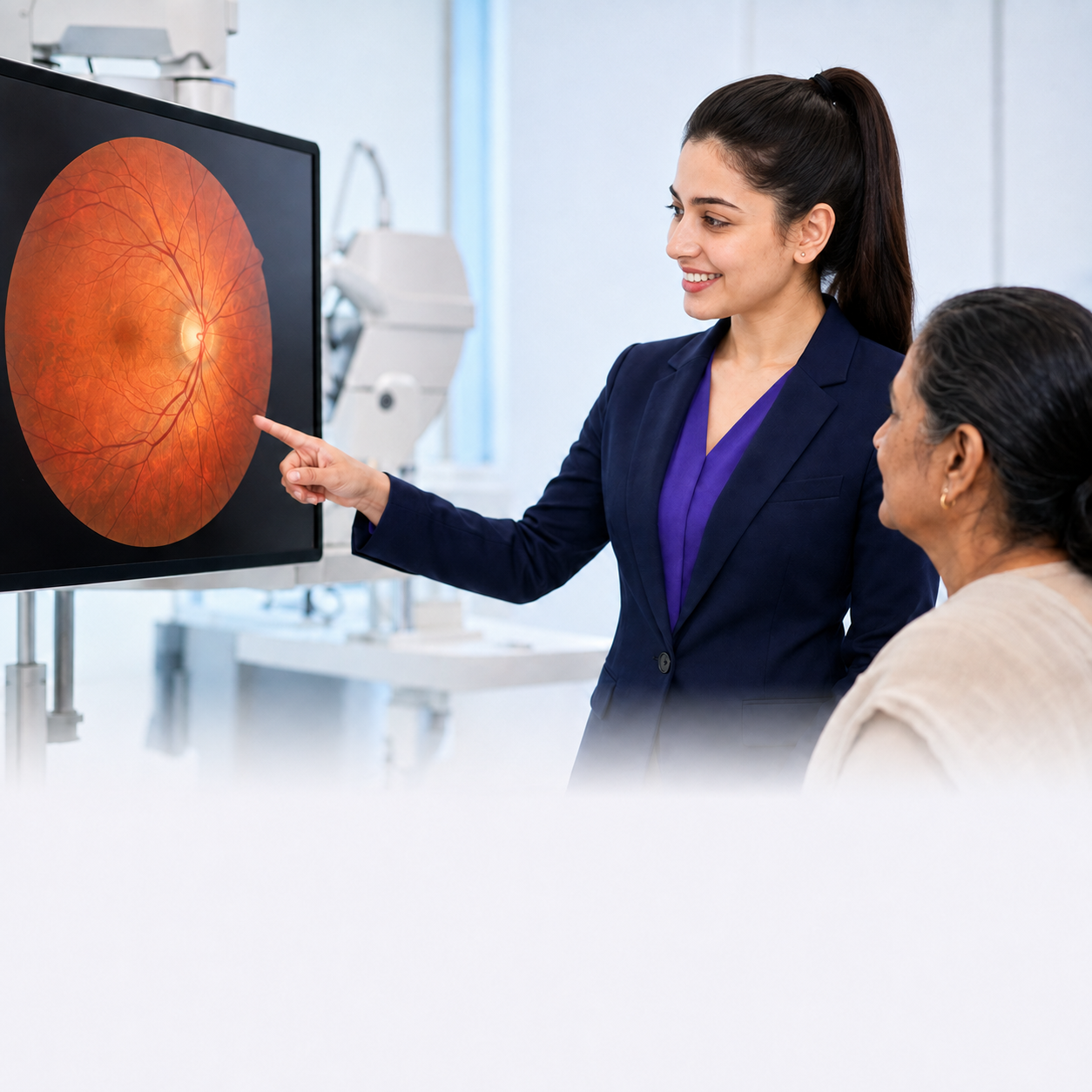

The retina senses light at the back of the eye, while the uvea includes tissues that support and nourish the eye. Disease or inflammation in either area can affect sight.
Specialist care may include retinal imaging, injections, laser, surgery or medicines that control inflammation. The right approach depends on the diagnosis, severity, general health and how vision is being affected.
Diabetes can damage retinal blood vessels, causing leakage, swelling or abnormal vessel growth. Early disease may have no noticeable symptoms, so regular dilated examinations matter.
Anti-VEGF medicine is injected into the eye to reduce abnormal blood-vessel leakage and retinal swelling in selected conditions, including diabetic macular oedema and wet AMD.
Uveitis is inflammation inside the eye and may cause pain, redness, light sensitivity, floaters or blurred vision. Treatment depends on the affected area and underlying cause.
Every stage is guided by specialist assessment, clear information and coordinated follow-up—so you know what comes next.
Share changes in vision, flashes, floaters, pain, redness, light sensitivity, diabetes history and any previous eye treatment.
A dilated examination, OCT, retinal photography and other investigations help assess the retina, macula and signs of inflammation.
Your specialist explains whether monitoring, anti-VEGF injections, laser, surgery or inflammation-control medicines are appropriate.
Receive procedure- or medicine-specific aftercare, scheduled imaging and reviews to monitor response and protect vision.
Your estimate depends on the diagnosis, imaging required, medicine or procedure selected, treatment frequency, facility and follow-up plan.
Tell us how to reach you and our care team can help explain the next step.
A final quotation is provided only after clinical assessment and confirmation of your treatment plan.The recommended approach depends on the diagnosis, retinal imaging, inflammation, how vision is affected and your wider health. Some people need monitoring while others need injections, laser, medicines or surgery.
Laser may be used to seal selected retinal tears or treat abnormal leaking or growing blood vessels in diabetic retinopathy.
Anti-VEGF medicine helps reduce abnormal blood-vessel leakage and swelling in selected retinal conditions. The eye is numbed before the injection.
Retinal detachment or advanced disease may need surgery. Uveitis may require eye drops, tablets, injections or medicines that control the immune response.
No single treatment is right for every retinal or uveal condition. Your specialist should explain the diagnosis, expected benefit, important risks, likely treatment schedule and follow-up plan.
Discuss your options
We help connect the people, information and next steps involved in your treatment—so your care feels easier to understand and navigate.
Connect with expertise suited to retinal disease, diabetic eye care and ocular inflammation.
Bring dilated examination, OCT, retinal imaging and other required investigations into one clearer journey.
Understand the recommended procedure, urgency, likely recovery requirements and next steps before proceeding.
Keep procedure preparation, recovery reviews and care-team communication better organised.
Follow-up differs by diagnosis and treatment. Surgitrix helps keep injection visits, medication guidance, imaging and recovery reviews better coordinated.
Use prescribed drops and follow instructions on eye care, washing, driving, work and physical activity.
Anti-VEGF treatment and inflammation care may require repeat visits. Attend imaging and pressure checks even when symptoms improve.
Scheduled examinations help the specialist assess retinal swelling, blood vessels, inflammation, eye pressure and visual recovery.
Seek prompt advice for increasing pain, redness, worsening blur, new flashes or floaters, a shadow, or any sudden reduction in vision.
These answers provide general guidance. Your specialist will confirm what applies after examining your eyes, reviewing retinal imaging and considering your wider health.
Our care team can help you understand the consultation process.
Diabetic retinopathy occurs when diabetes damages blood vessels in the retina. It may cause no symptoms at first, but later changes can include blurred vision, floaters and vision loss. Regular dilated eye examinations help detect it early.
It is medicine delivered into the eye to block vascular endothelial growth factor, a protein that can cause abnormal blood vessels to leak and swell the retina. The eye is numbed first, and repeat treatment may be needed.
Anti-VEGF injections may be considered for diabetic macular oedema, wet age-related macular degeneration, retinal vein occlusion and other conditions involving abnormal retinal blood vessels or swelling. Suitability is decided after specialist assessment.
Uveitis is inflammation inside the eye. It may cause pain, redness, sensitivity to light, floaters or blurred vision. Treatment depends on which part of the eye is affected and whether infection, immune disease or another cause is involved.
Seek urgent eye care for sudden flashes, many new floaters, a curtain or shadow in your vision, rapid vision loss, severe eye pain, marked redness or worsening symptoms after an eye injection.
The schedule depends on the diagnosis and response to treatment. Anti-VEGF therapy, diabetic retinopathy monitoring and uveitis care may all require repeated examinations, imaging or treatment.
Tell us what you need and the Surgitrix care team will help coordinate your assessment, imaging, treatment planning and follow-up.
Specialist-led careAssessment by ophthalmology professionals.
One coordinated journeyClearer steps from assessment to recovery.
Support after treatmentFollow-up guidance when you need it.